
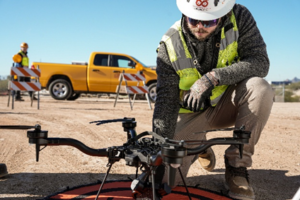
For almost 90 years, Hensel Phelps has built across the United States, delivering aviation, infrastructure, healthcare, commercial projects and more, despite the weather. For construction teams working outdoors, extreme heat can be part of their daily jobsite environment. Those conditions require careful planning as project teams work to send every employee and trade partner home safely.
In April 2026, the Occupational Safety and Health Administration (OSHA) renewed its National Emphasis Program for outdoor and indoor heat-related hazards, including construction. The agency notes that physical work in high temperatures, along with heavy or bulky clothing and equipment can lead to increased heat-related risk. That work is especially relevant in Arizona, where Diverge, a Hensel Phelps company, is exploring whether emerging wearable technology could be another tool for teams.
Exploring Eztia’s HydraVolt™ Technology
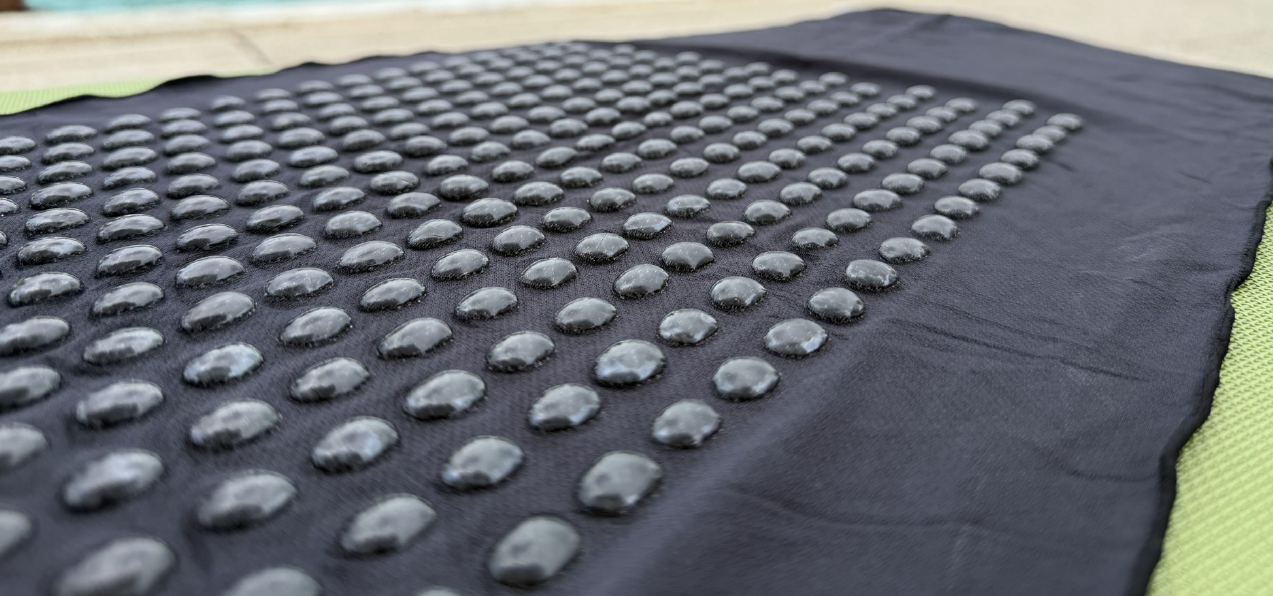
Diverge is collaborating with Eztia, a San-Francisco-based tech startup developing cooling materials for those working in hot environments. The technology responds as body temperature rises by drawing heat away from the skin and dispersing it through the fabric.
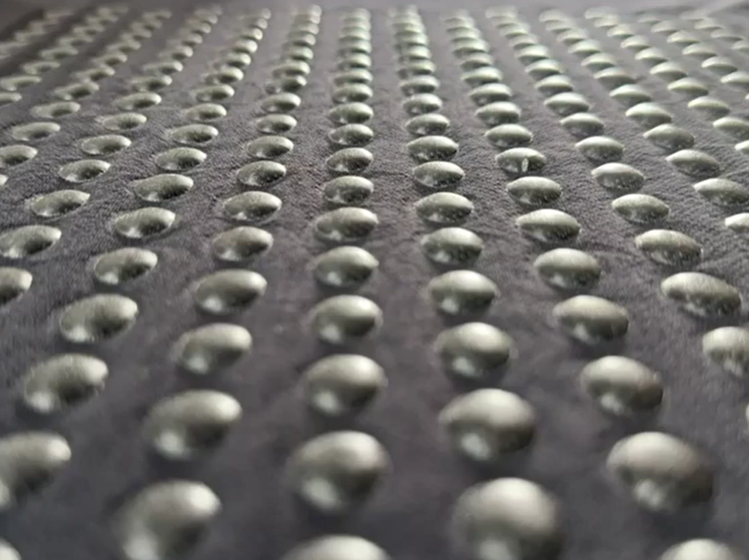
Eztia’s HydraVolt™ technology incorporates a proprietary cooling gel directly into performance fabric. The company reports that HydraVolt™ can reduce skin surface temperature by up to 10 degrees Celsius and provide up to eight hours of cooling during strenuous physical activity. Additionally, the technology does not require batteries or electricity and can be reactivated with water.
Wearable cooling technology does not replace established heat-illness prevention practices, but it could serve as an additional layer of support for employees. Evaluating solutions like HydraVolt™ can also help teams better understand where emerging technologies may have a practical role in jobsite safety.
Evaluating Performance Beyond the First Test
Diverge’s role is to understand how solutions like this perform outside the lab and in conditions that more closely reflect the realities of construction work. Kyle Tomak, Diverge senior innovation manager, first tested the HydraVolt™ material while landscaping outdoors over a 114-degree weekend in Phoenix, Arizona. Impressed by how long the fabric remained cool, Tomak then distributed the solution to Hensel Phelps safety directors nation-wide for project team testing and feedback.
This round of evaluation focuses on how the solution performs under the demands and conditions of day-to-day field work. Early feedback has been encouraging, while also highlighting practical considerations for extended use. After several hours, the material needed to be reactivated with water, an important factor when evaluating how wearable cooling technology could fit into a full construction workday.
For wearable cooling technology, that means considering questions such as:
- How long does the cooling effect last under different working conditions?
- How easily can the material be reactivated during the workday?
- Is it comfortable enough for extended use?
- How does it hold up under repeated wear?
- Is it compatible with existing personal protective equipment?
- Does its performance remain consistent across different environments and types of work?
Materials integrated into everyday workwear may eventually offer another way to help construction workers manage environmental conditions in the field. The Diverge team will continue collaborating with Eztia to test it’s HydraVolt™ material across real-world conditions and better understand its durability, usability and potential applications.
What Wearable Cooling Could Mean for Construction Safety
Hensel Phelps teams working in regions where triple-digit temperatures are a regular part of the construction environment, continuing to explore those questions matters. Through Diverge, Hensel Phelps can evaluate new approaches with the people who may ultimately use them, keeping innovation connected to practical application and focused on helping teams work safer, efficiently and more effectively.